
Article produced by Biometric Update / Frank Hersey / May 25, 2021
In May 2021, IrisGuard Deputy Director Simon Reed joined a panel on digital currencies and IDs at the World Humanitarian Forum in London. Alongside Erik Zvaigzne of Convergence Tech, he discussed a bold idea: that the digital identity systems built for refugees could shape how everyone accesses services in the future. This article summarises the key points from that discussion and what they mean for digital identity, aid delivery and financial inclusion.
Key Takeaways
- People value the services a digital ID unlocks, such as healthcare and finance, more than the technology itself.
- Trust, privacy and user control are essential when giving refugees digital wallets and IDs.
- Interoperability and closer cooperation between donors and countries are vital for scaling digital ID.
- Refugee settings can leapfrog legacy systems used elsewhere.
- Blockchain could reduce cost and exchange-rate friction in large aid programmes.
Why Services Matter More Than the Technology
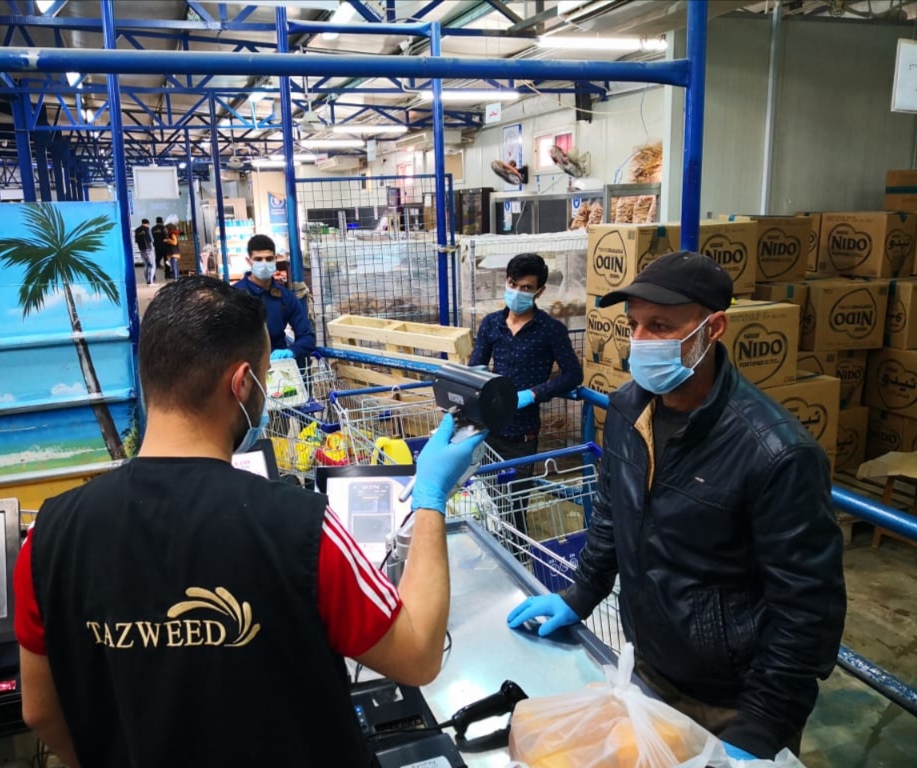
A recurring theme of the panel was that refugees rarely care how an identity system works. What matters to them is what it gives access to, particularly healthcare and money. Reed explained that keeping the technology in the background, while putting services first, is key to adoption. This is the principle behind IrisGuard’s iris recognition technology: a person simply looks at a camera, with no cards, PINs or documents needed.
Building Trust in Refugee Digital ID
A digital wallet that holds currency and unlocks social services is only valuable if people trust it as much as a passport. The panel stressed that these tools must be treated with the same privacy, respect and control as any official identity document, rather than as just another app.
Registration as a Gentle, People-First Process
When refugees arrive at a camp, they often do not know what registration will lead to, whether housing, relocation or support. Reed described the process as deliberately gentle and supportive. IrisGuard works with UNHCR on registration, using EyeBank® biometric registration to create a unique identity linked to the person’s iris.
Family Roles and Cultural Context
Identity profiles can include family roles, which Reed noted can be especially important in some cultures. This helps services reach the right household members and respects how families manage support.
Interoperability and the Future of Digital Identity
Looking ahead, Reed highlighted that greater cooperation between donor organisations and countries, plus technical interoperability, is vital for digital ID to keep developing. He also believes people should be able to choose where their services come from, rather than large organisations dictating access.
Zvaigzne raised the question of who acts as the trusted source that vouches for a person’s identity. He suggested that an organisation such as UNHCR could help establish an identity that individuals then carry and use across other systems, because national IDs often lose trust once they cross borders.
Can Refugee Systems Leap Ahead of Legacy Systems?
According to Reed, technology in some of the most deprived settings can be more advanced than what is available in much of the developing world. Digital IDs and digital wallets used in camps could even help people build credit profiles that support future loans. Simple features also drive engagement: being able to check an account balance easily gives people more confidence and control.
Blockchain and Digital Currencies in Humanitarian Aid
Both speakers were positive about blockchain in humanitarian settings. Reed sees it as a way to remove the headache of exchange-rate differences in large programmes, while Zvaigzne views it as a low-cost route for moving funds into a crisis quickly. Platforms such as the EyePay® Network already show how iris-verified payments can deliver aid securely at scale.
Read how iris-verified payments supported WFP’s Building Blocks in Jordan.
Why Digital Literacy Drives Adoption
Introducing new tools is not only a technical challenge. The panel warned that poor education and change management can create suspicion, for example when people assume a government-branded wallet is tracking them. Building digital literacy alongside a baseline of technology access allows services to be redesigned around digital, rather than simply digitising old processes.
How IrisGuard Supports Digital ID for Refugees
IrisGuard’s iris recognition platform is used by humanitarian agencies to register beneficiaries and deliver cash, food and non-food item assistance without cards or documents. Explore our work in humanitarian aid, or get in touch to discuss your programme.
Source: This summary is based on panel coverage originally published by Biometric Update on 25 May 2021.